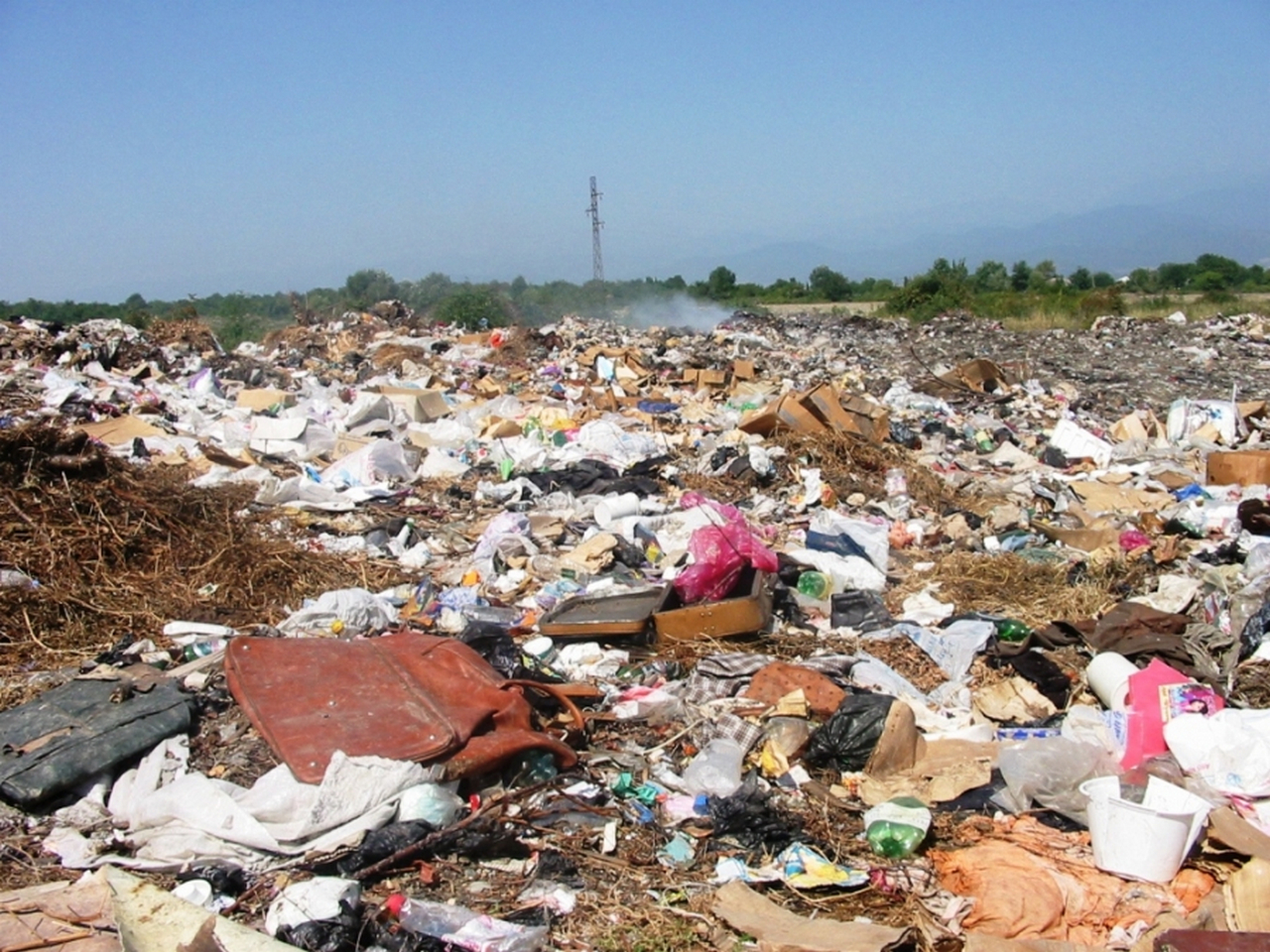
Residents’ protest over the Didi Lilo landfill

2013

This AI-generated translation may not be completely accurate.
Residents’ protest over the Didi Lilo landfill
At the end of January 2013, residents of Didi Lilo village demanded the closure of the nearby “Polygon” landfill. On January 28, they blocked the access road to the site, protesting the unbearable smell spreading across the area.
After a three-day blockade, the Tbilisi City Hall agreed to inspect the site, and on January 31, environmental inspectors from the Ministry of Environment entered the landfill.
Residents claimed the landfill was poorly designed—leachate from the waste was flowing through pipes into several open pits, contaminating the environment. Locals recalled that two years earlier, when the land was fenced off, they had been told a modern factory would be built there: “They promised us an ultramodern plant, but we ended up with poison,” said one resident.
The problem remained unresolved. On July 4, 2013, Didi Lilo residents and environmental activists again demanded the closure of the Tbilisi household waste landfill. Members of a specially formed civic group insisted that the site’s construction errors made living nearby unbearable: “The landfill was built hastily, before elections, without properly reviewing the environmental assessment,” said Giorgi Gabatashvili.
The Ministry of Environment, however, stated that the violations found did not justify the landfill’s closure. The managing company, Tbilservice Group, was fined 5,000 GEL and given three months to correct the operational flaws.
Chief Environmental Inspector Neli Korkotadze said that if future inspections revealed ongoing problems, the company would face a triple fine of 15,000 GEL. Tbilisi City Hall’s head of maintenance, Thornike Shiolashvili, added that the company had addressed the ministry’s comments, but since the report did not recommend shutting down the landfill, its closure was not planned.