The events of November 7, 2007

2007

This AI-generated translation may not be completely accurate.
The events of November 7, 2007
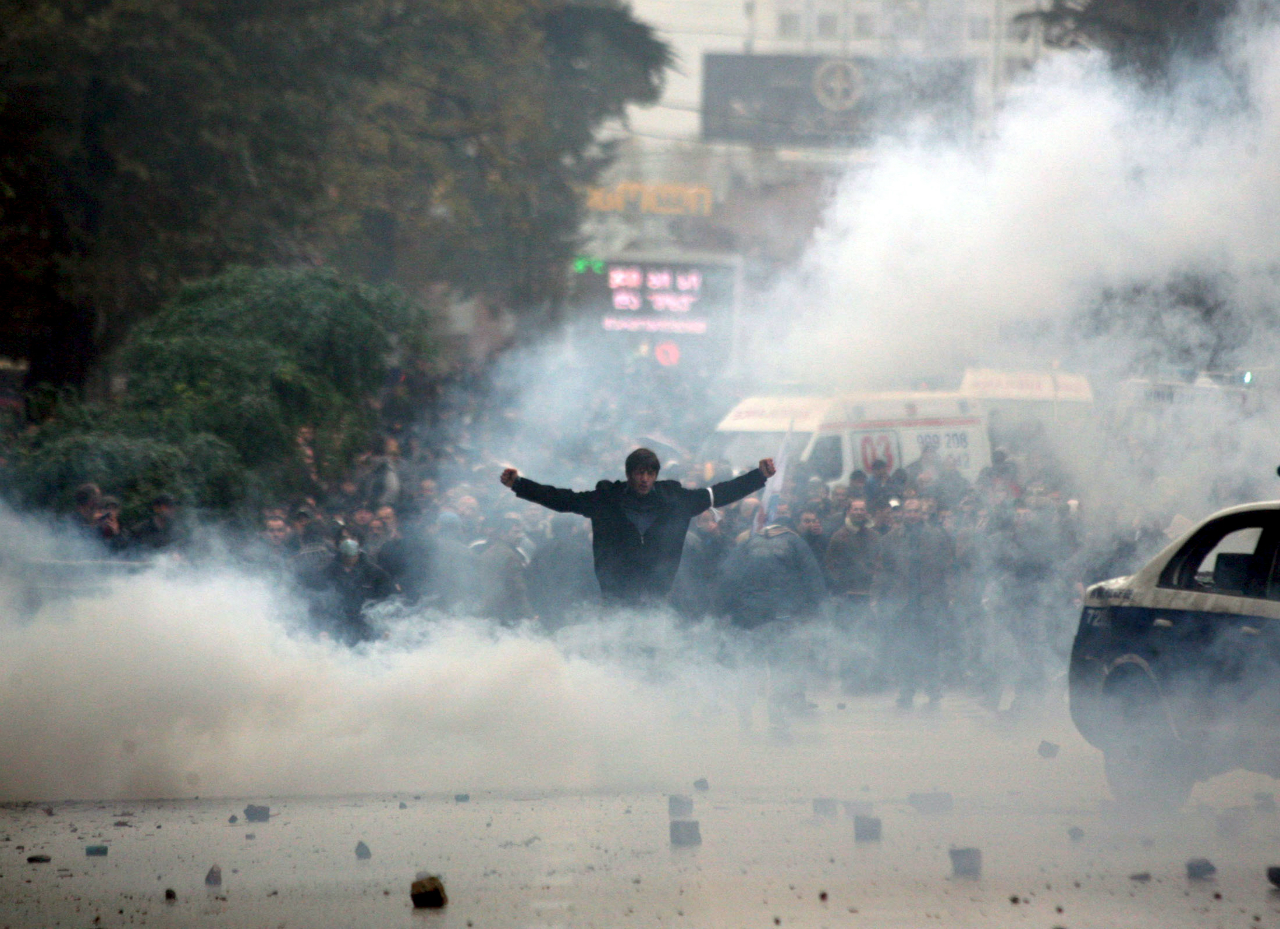
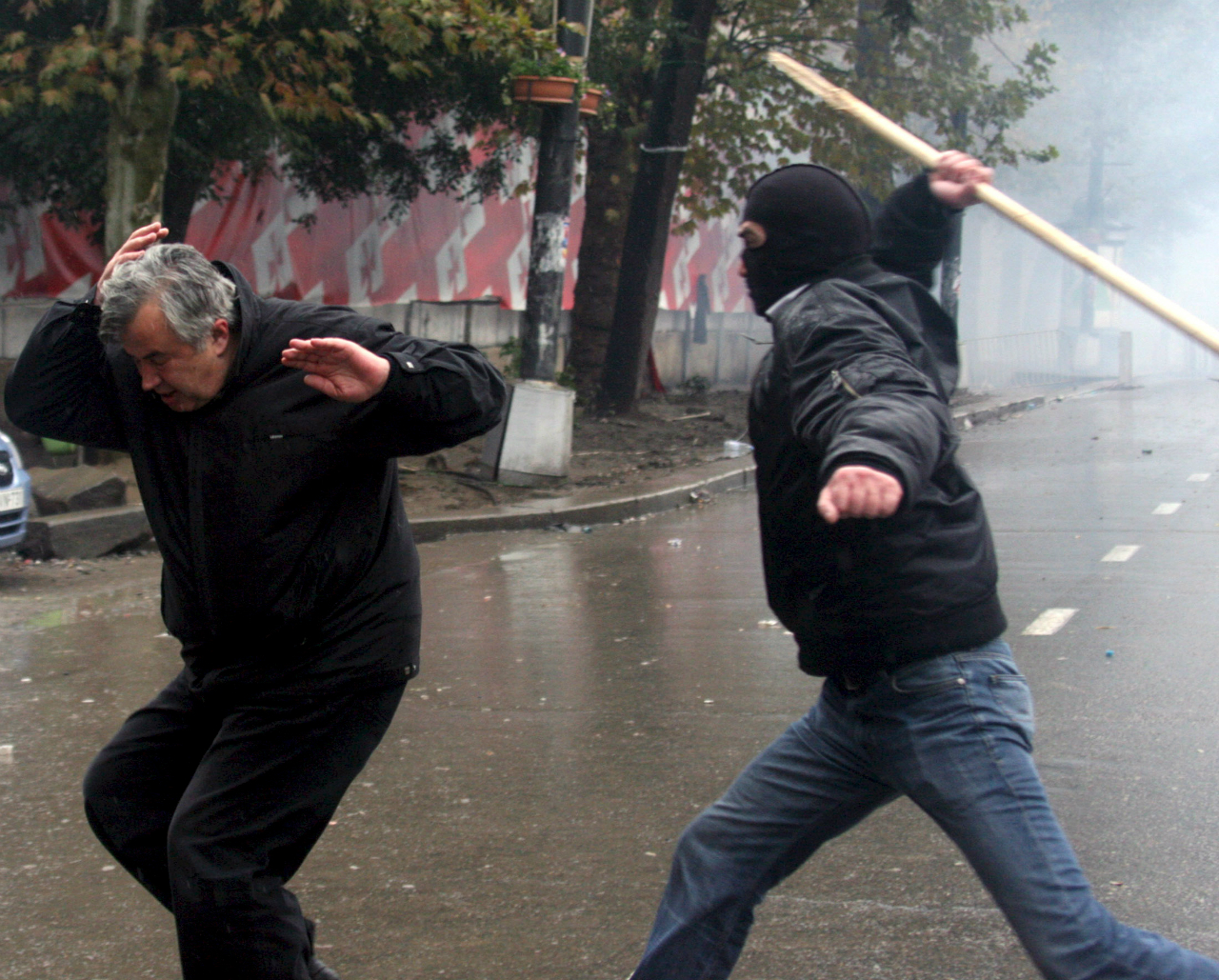
The events of November 7, 2007, went down in Georgian history as a day when authorities used excessive force against peaceful demonstrators. On that day, police violently dispersed a protest rally in front of the Parliament building in Tbilisi. The public’s anger had begun weeks earlier, after the September 27 arrest of former Defense Minister Irakli Okruashvili on charges of extortion, money laundering, abuse of power, and negligence. Two days prior, on September 25, after the Revenue Service opened an investigation into the business activities of his close friend Kibar Khalvashi, Okruashvili had accused President Mikheil Saakashvili of ordering the assassination of businessman Badri Patarkatsishvili and announced plans to form a new political party. At the time, the chief prosecutor was Nika Gvaramia.
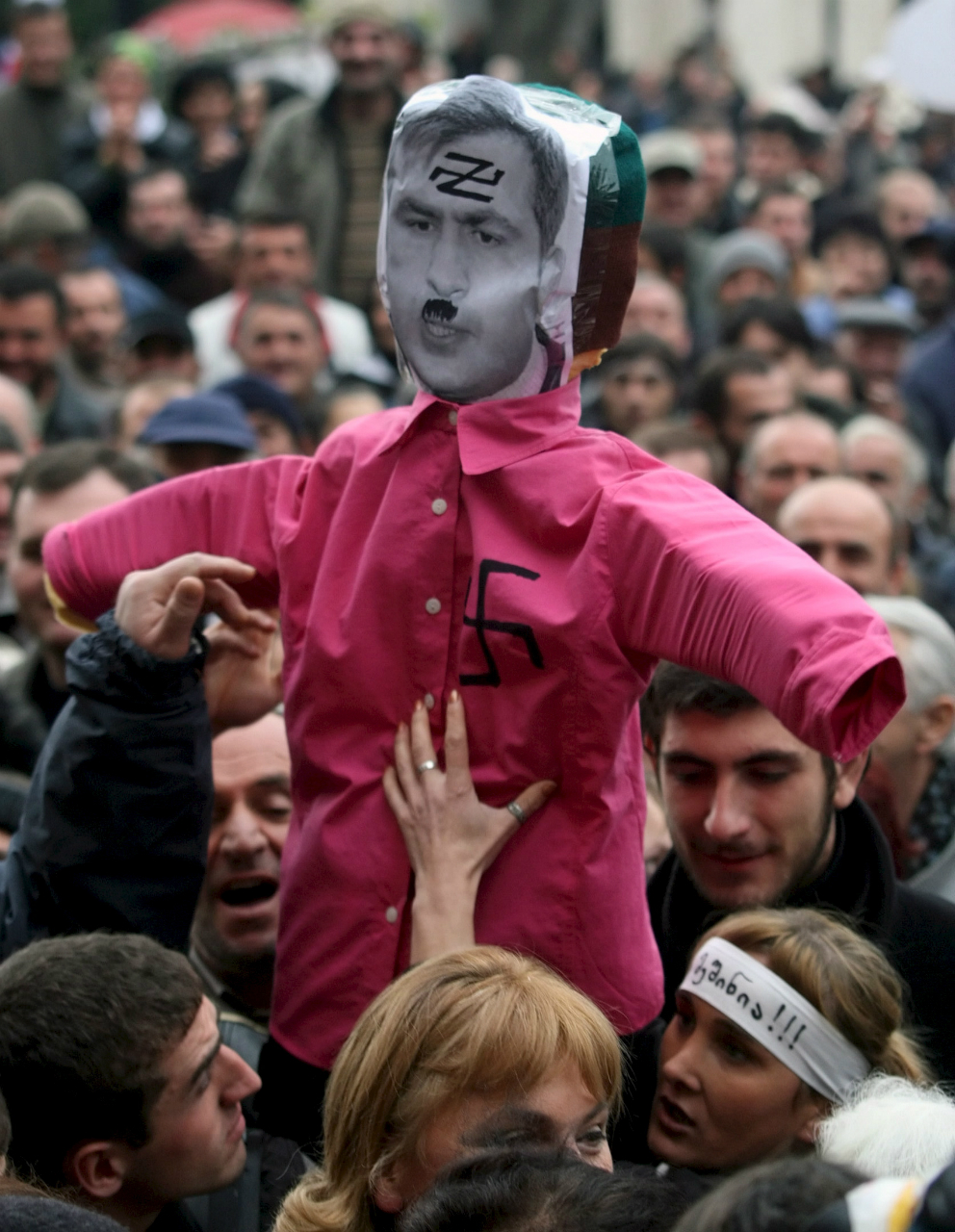
On September 28, the largest opposition rally during the United National Movement’s rule took place outside Parliament. Protesters demanded the end of presidential governance and called for the “overthrow of Saakashvili’s regime.” Saakashvili dismissed the accusations as lies, saying that “no one is untouchable” in Georgia.
On October 8, the Prosecutor’s Office released a video of Okruashvili recanting his earlier statements against Saakashvili, claiming his accusations were motivated by “a desire for political dividends.” That same day, his pre-trial detention was replaced with bail, and on October 11, he announced his temporary withdrawal from politics.
Okruashvili stated that Badri Patarkatsishvili, owner of Imedi TV, was aware of his plans. On October 10, Patarkatsishvili said the country’s “difficult situation” might compel him to enter politics.
On October 17, ten opposition parties signed a manifesto calling for early parliamentary elections in the spring of 2008 as a way to resolve the political crisis. On October 28, Patarkatsishvili expressed his full support for the opposition’s manifesto and pledged to fund protest actions. Demonstrations were held in major Georgian cities, including Tbilisi, Batumi, Kutaisi, and Zugdidi.
On November 2, tens of thousands gathered in front of Parliament, many arriving from the regions the night before. Opposition leaders met with then-Speaker Nino Burjanadze, who stated that the government would not compromise on the timing of the elections.
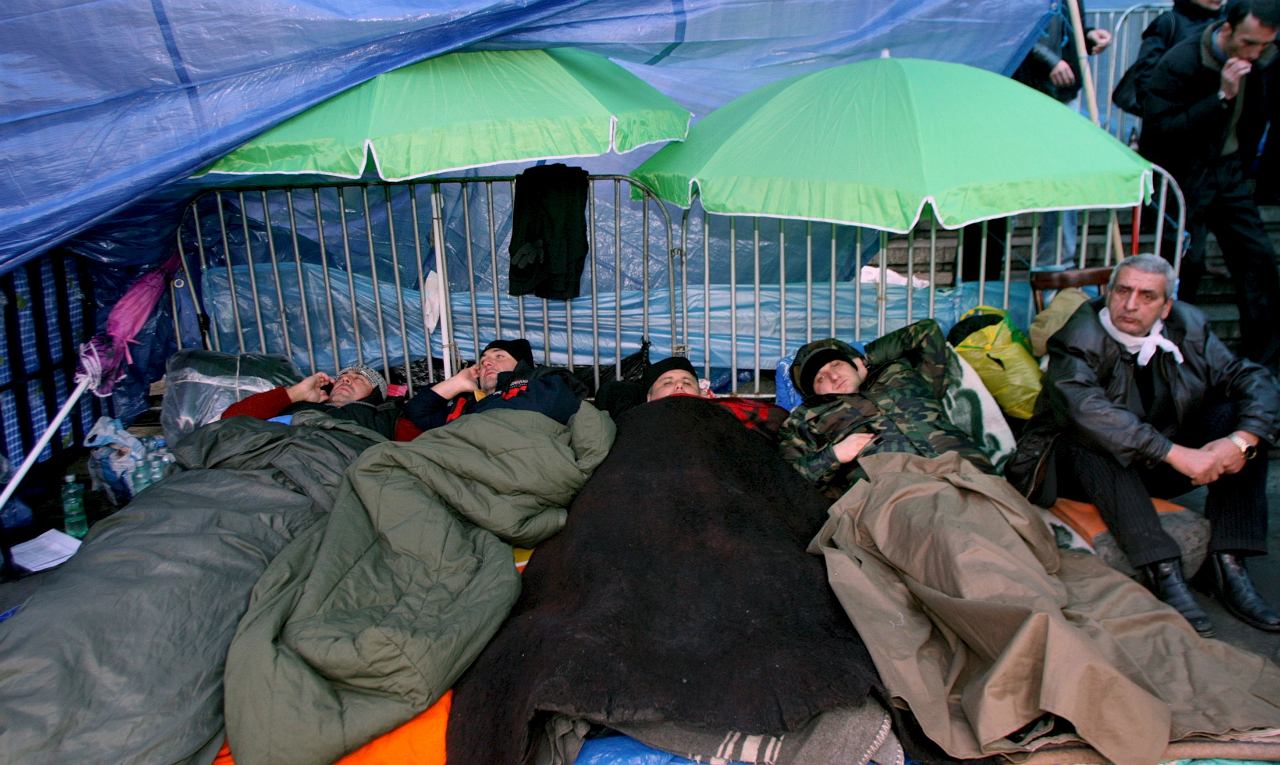
By November 5, several opposition figures, including MPs Levan Gachechiladze and Koba Davitashvili, as well as former Tbilisi City Council member Bidzina Gegidze, announced a hunger strike. That same day, Okruashvili appeared live on Imedi TV, claiming he had been forced to give his confession while in custody.
On November 6, despite rain, opposition leaders began setting up tents outside Parliament to shelter hunger strikers. The next morning, Tbilisi Mayor Gigi Ugulava declared that the government would not allow the capital to “turn into a tent city.” Police soon moved in to disperse the protest. Opposition leaders insisted that demonstrations would continue.
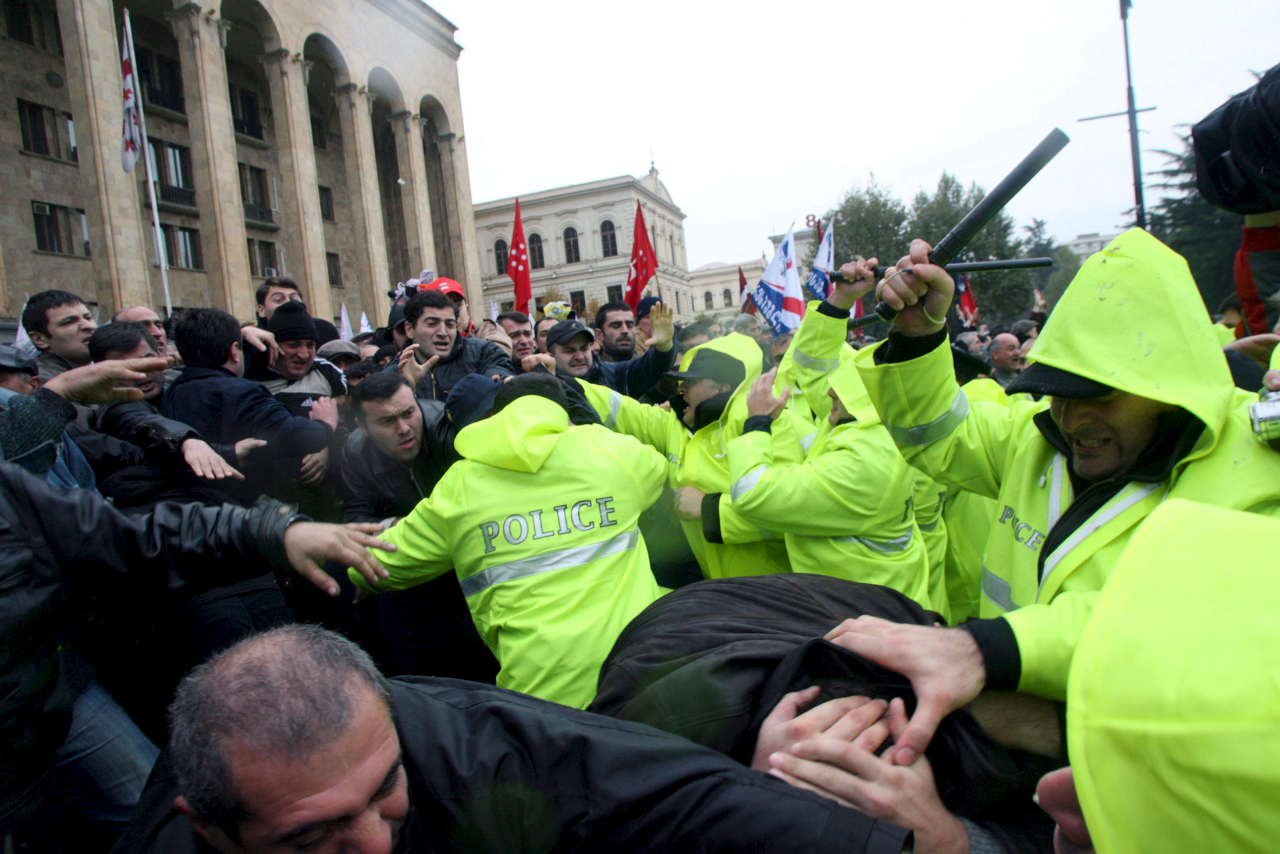
Crowds gathered again on Rustaveli Avenue, but police prevented them from blocking the road, using physical force against those who attempted to do so. Ruling party MP Giga Bokeria stated that police were “acting within the law.”
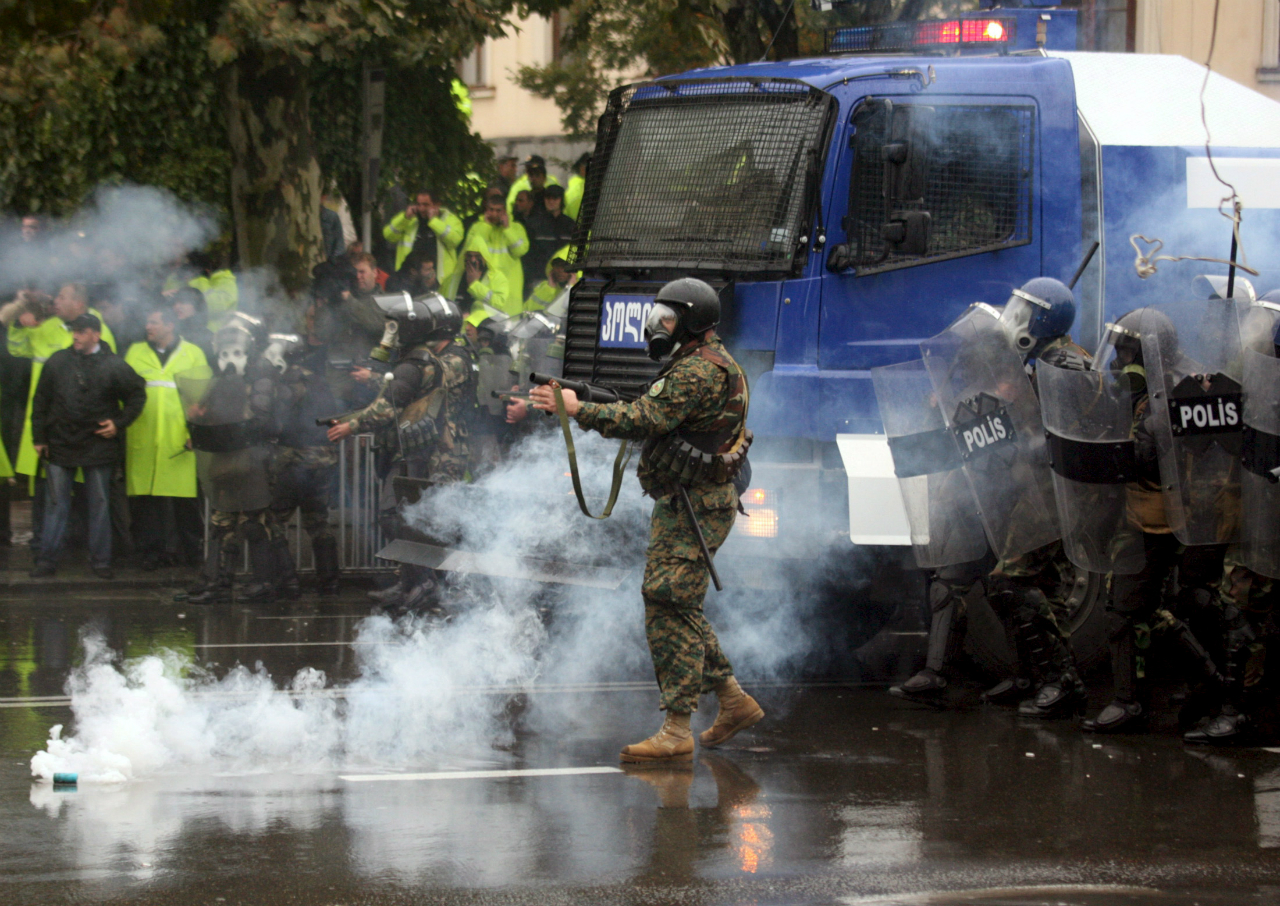
Soon after, police launched a full-scale crackdown, using tear gas, rubber bullets, batons, acoustic weapons, and water cannons. The dispersal was broadcast live on Imedi TV. Prime Minister Zurab Noghaideli later said that clearing the avenue was “necessary” and that the country continued to “function normally.”
After the Parliament protest was dispersed, demonstrators regrouped at Rike (now Europe Square), but police again used force to remove them. Over 500 people were injured that day.
That same night, masked security forces stormed Imedi TV, vandalized the studios, and forced the station off air. Broadcasting was also halted for Imedi and Kavkasia.
Later that evening, President Mikheil Saakashvili declared a 15-day state of emergency, banning public gatherings and restricting independent media operations.
On November 8, in Batumi, university students and faculty planned a march to protest the violence in Tbilisi. However, according to eyewitnesses, riot police entered the university before the march began, beating several students with batons. Seven students were hospitalized with non-life-threatening injuries and later discharged.
According to Batumelebi newspaper, police used tear gas during the incident. Students and professors said they were unaware that the state of emergency applied to the entire country, not just Tbilisi.
In response to the protests and escalating unrest, President Saakashvili resigned on November 25, 2007. A presidential election was scheduled for January 5, 2008.