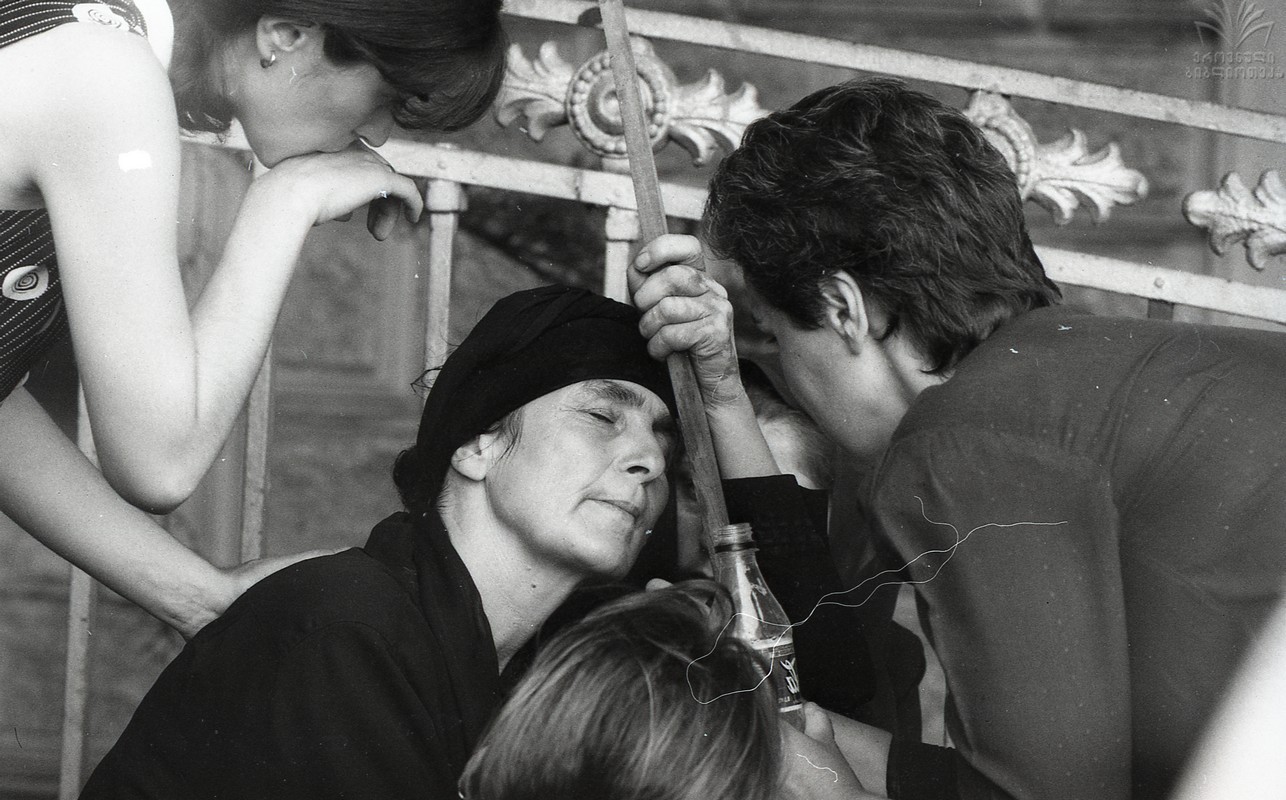
Mourning Mother’s Protest

1998

This AI-generated translation may not be completely accurate.
Mourning Mother’s Protest
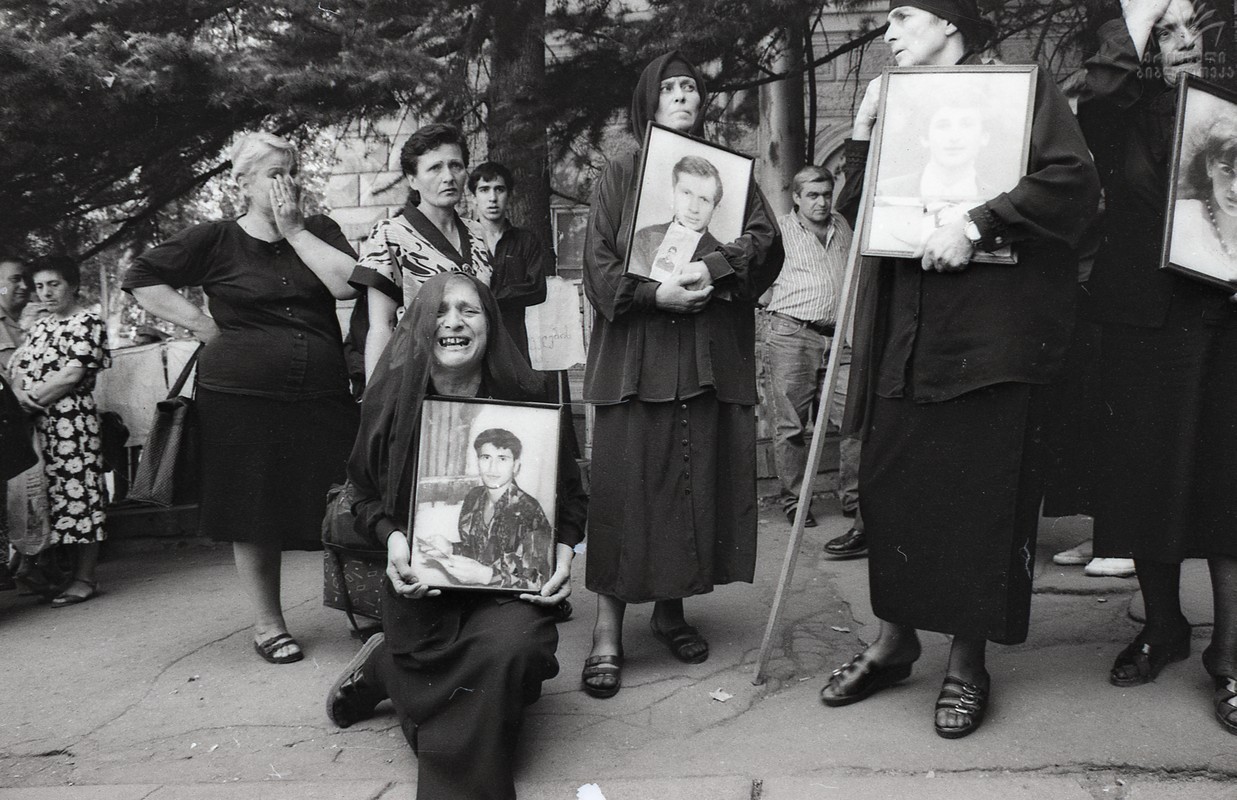
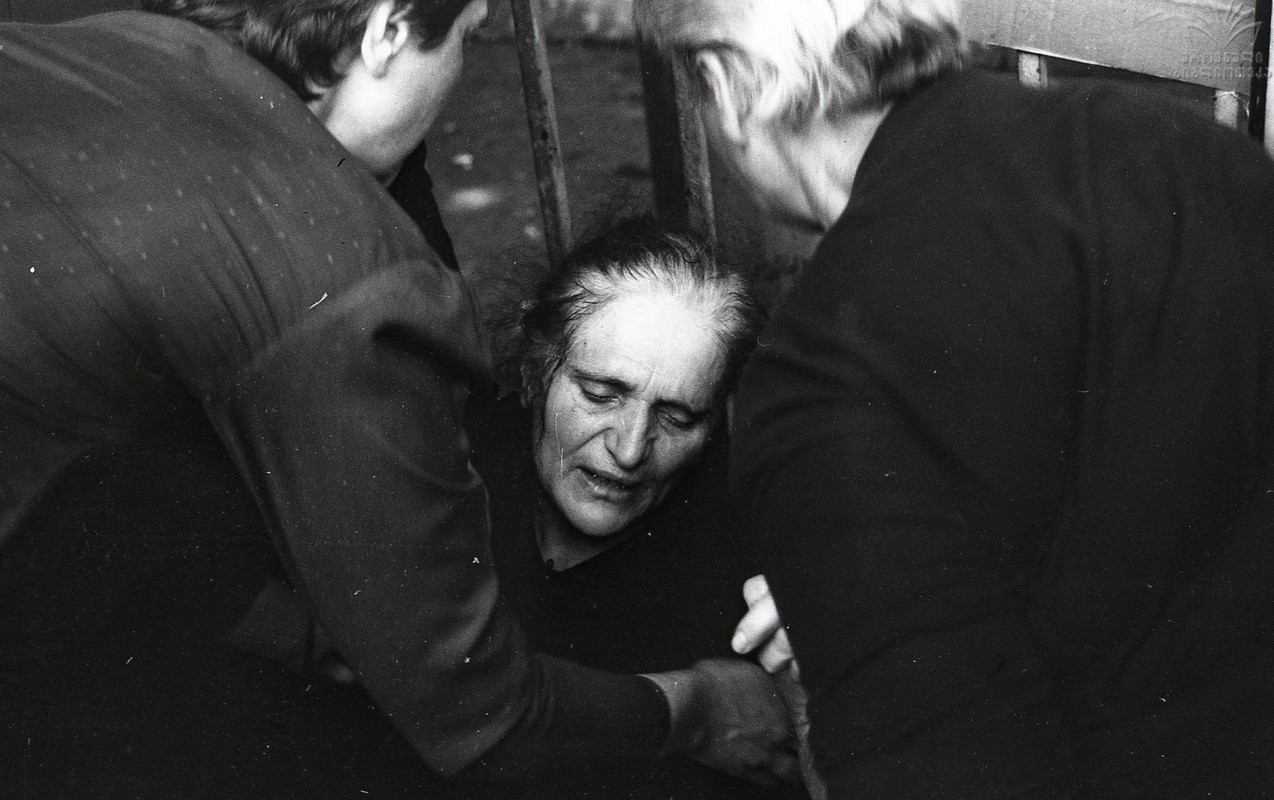
On July 7, 1998, a group of grieving mothers in Georgia started a protest outside the Government House in Tbilisi. Around 15 women, carrying photos of their murdered children, began a hunger strike to demand justice. The mothers said their children had been killed at different times and under different circumstances, yet the perpetrators were never punished. According to them, the killers were known but protected by influential figures.
This was not the first time the mothers took to the streets. Earlier, on May 28, they had protested with the same demand for accountability and had appealed to Parliament and other state institutions, but without success.
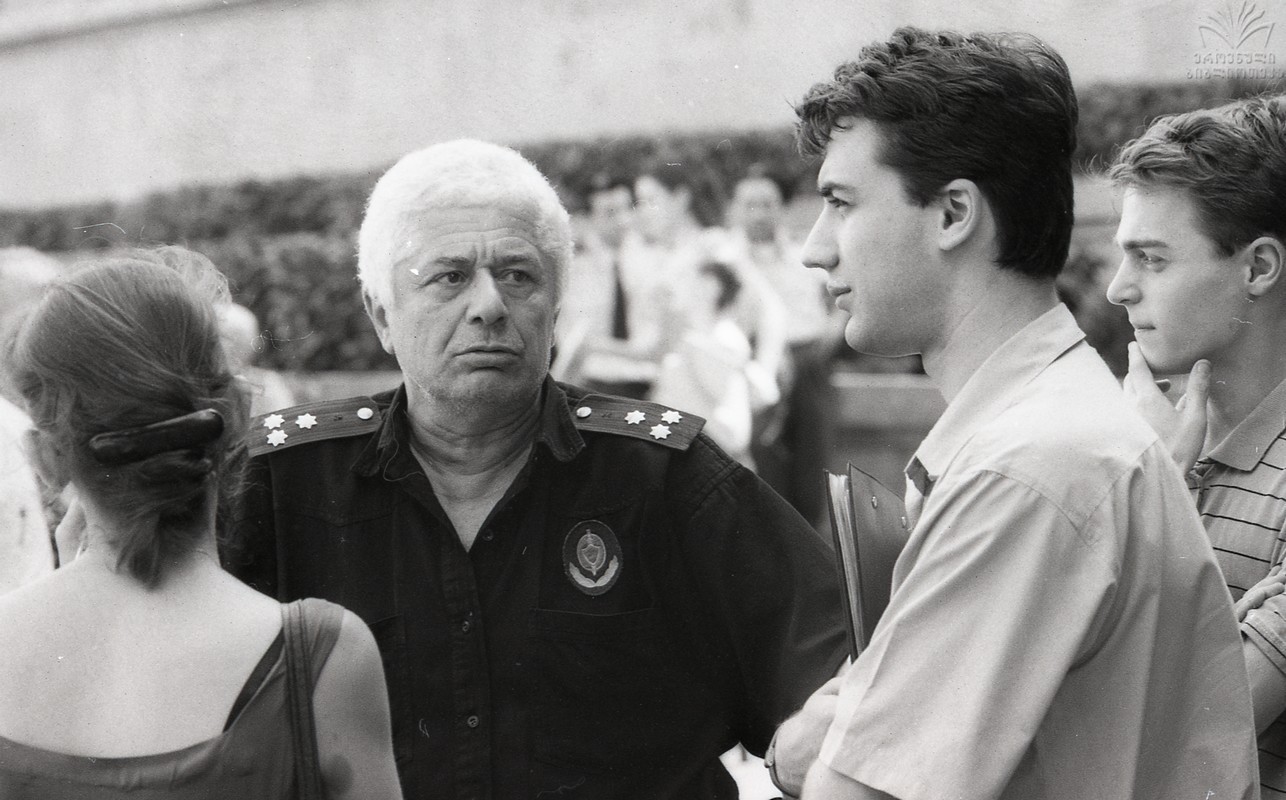
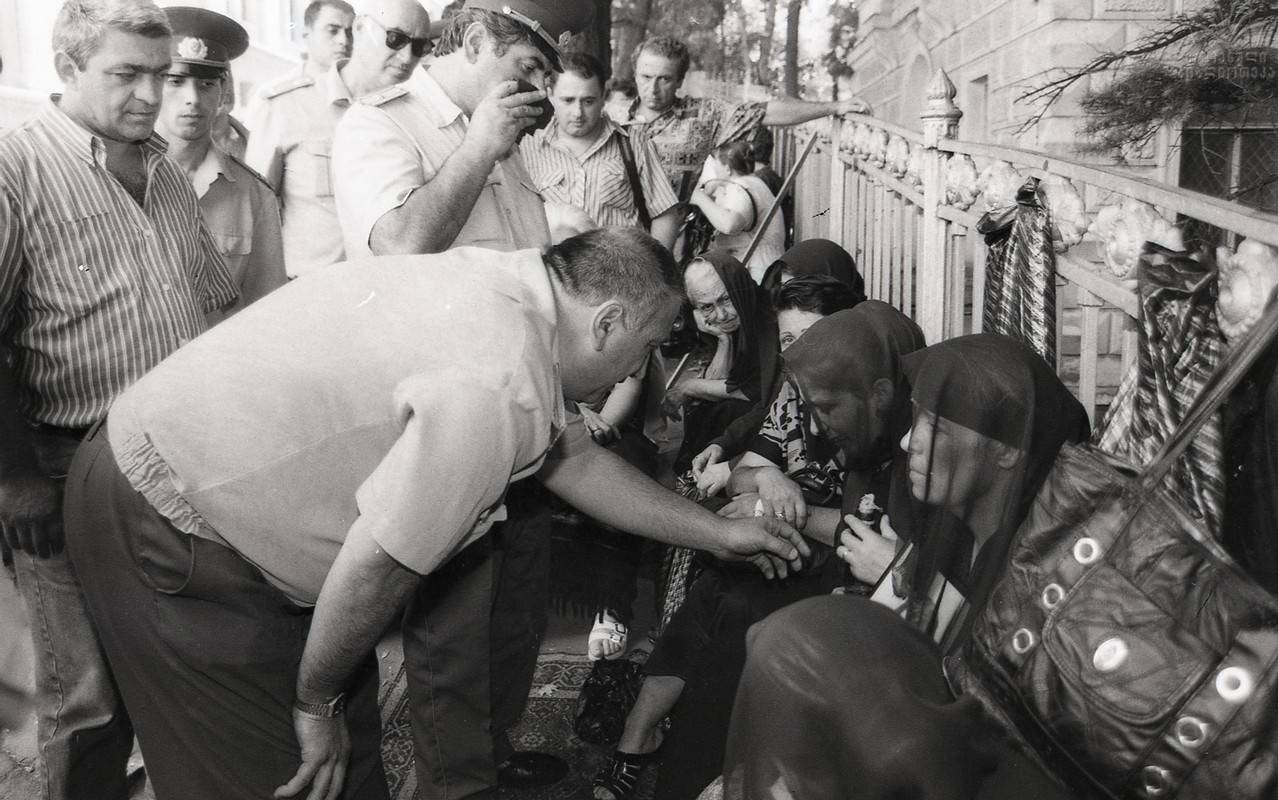
During the July protest, events escalated. On July 9, one of the hunger strikers, Zaira Fatsuria, was abducted by unidentified individuals and taken to a police station in Zugdidi. She was released 11 hours later and immediately returned to continue the hunger strike. The Ministry of Internal Affairs and local police officials frequently visited the women, urging them to end the protest and promising action, but the mothers refused to disperse.
After two weeks of hunger strike, on July 20, the mothers announced they would block Rustaveli Avenue, Tbilisi’s main street. They explained their desperation: “We want the President to hear our pain. If justice is not served, then maybe death on the street will be our only escape. Since losing our children, our only goal has been to see their murderers punished.”
The protest nearly turned tragic when participant Eter Abjandadze attempted to set herself on fire by pouring kerosene on her body, but police intervened and prevented it. The mothers were surrounded by a police cordon and ultimately could not block Rustaveli Avenue.
Local media reported that the investigations into the murders had been deliberately obstructed. As MP Mikheil Saakashvili commented at the time, the case files were so manipulated that “even if experts were brought in from abroad, the truth could never be uncovered.”
The protest by the grieving mothers of Tbilisi highlighted deep frustration with Georgia’s justice system in the 1990s. Their hunger strike and attempted street blockade drew national attention to the culture of impunity, the failure to investigate murders, and the widespread belief that powerful connections shielded criminals from accountability.