Against the Release of Private Life Footage

2016

This AI-generated translation may not be completely accurate.
Against the Release of Private Life Footage
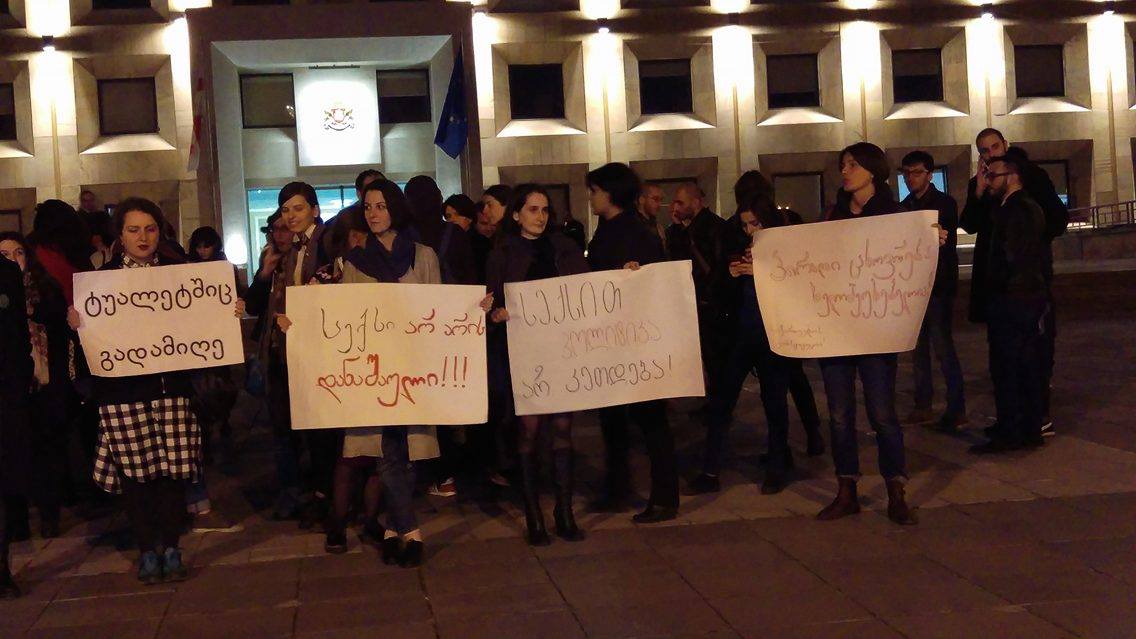
On March 11, 2016, a video depicting the private life of a female opposition politician was uploaded to YouTube. That same day, the “Women’s Movement” organized a solidarity protest in front of the Government Administration of Georgia, condemning the release of the footage and demanding accountability. Protesters stated that the leak confirmed ongoing attempts to blackmail individuals through private recordings, but their calls went unanswered by officials.
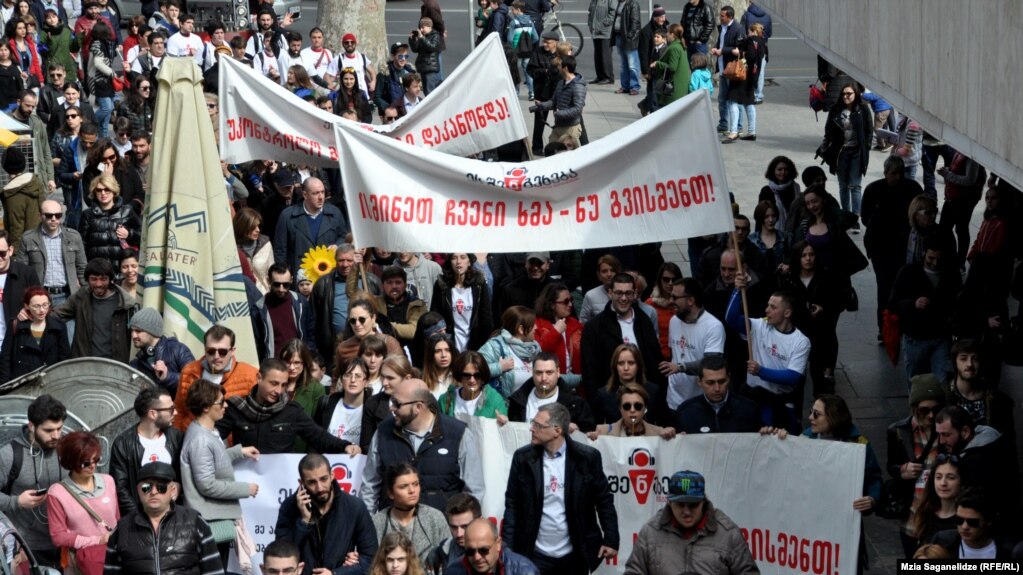
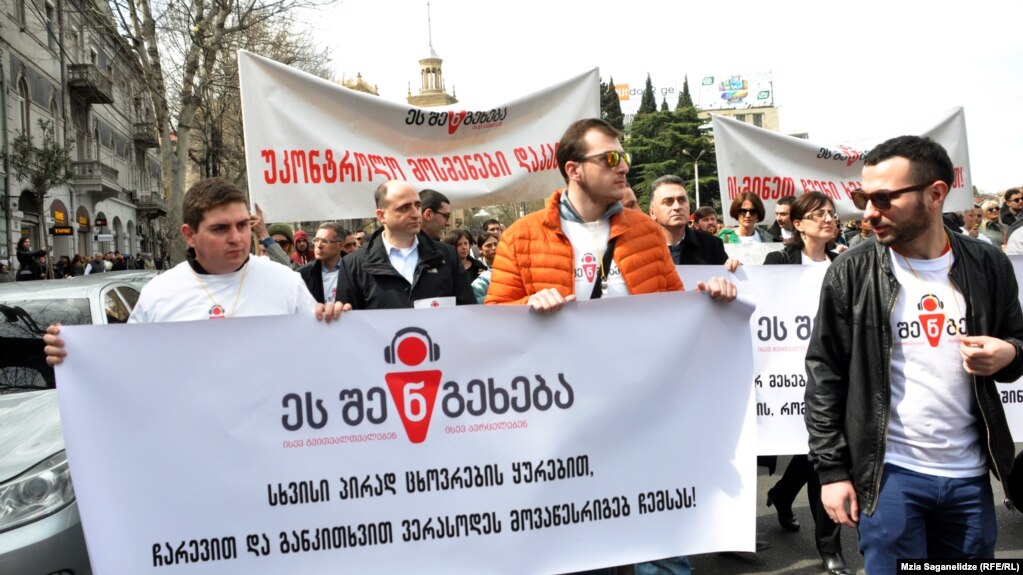
On March 19, 2016, a coalition of NGOs involved in the “This Affects You” campaign held another protest under the slogan “Hear our voice – don’t listen to us!” The march started on Melikishvili Avenue and ended at the Government Chancellery. Participants condemned the dissemination of secret recordings depicting private lives and demanded an effective investigation by the authorities. Demonstrators carried banners reading: “Uncontrolled surveillance legalized” and “Hear our voice – don’t listen to us!”
According to the protest organizers, the issue went beyond political will — the legal framework itself allowed uncontrolled and unlawful surveillance. Aleko Tskitishvili, head of the Human Rights Center, noted that the situation worsened after the Ministry of Internal Affairs was split to create a separate State Security Service, which, he argued, resulted in “two monsters instead of one” and left the public uncertain about which agency held the “key” to surveillance data or where the recordings were stored. He also emphasized that the Security Service had proven “completely powerless” in responding to the leak of private videos.
On March 25, 2016, the “This Affects You” coalition organized another protest — this time outside the Chief Prosecutor’s Office — demanding a more effective investigation into the illegal publication of private life recordings.